



The latest international education results have given educators and families plenty to think about.
The Programme for International Student Assessment (PISA)—an international study that evaluates how well 15-year-old students apply their knowledge in reading, mathematics and science—recently reported significant declines in reading and mathematics among students in the United States.
The numbers matter. But they also invite a bigger question:
Are we preparing children simply to know more, or to know what to do with what they know?
At Cedar Hill Preparatory School, we believe education should develop both knowledge and the skills students need to use it.

A strong reader should be able to do more than recall what happened in a story. They should be able to interpret, question, make connections and communicate their ideas.
A strong math student should be able to do more than follow a formula. They should be able to recognize patterns, approach unfamiliar problems and explain their reasoning.
And a strong science student should have opportunities to do more than memorize facts. They should be able to ask questions, investigate, analyze evidence and draw conclusions.

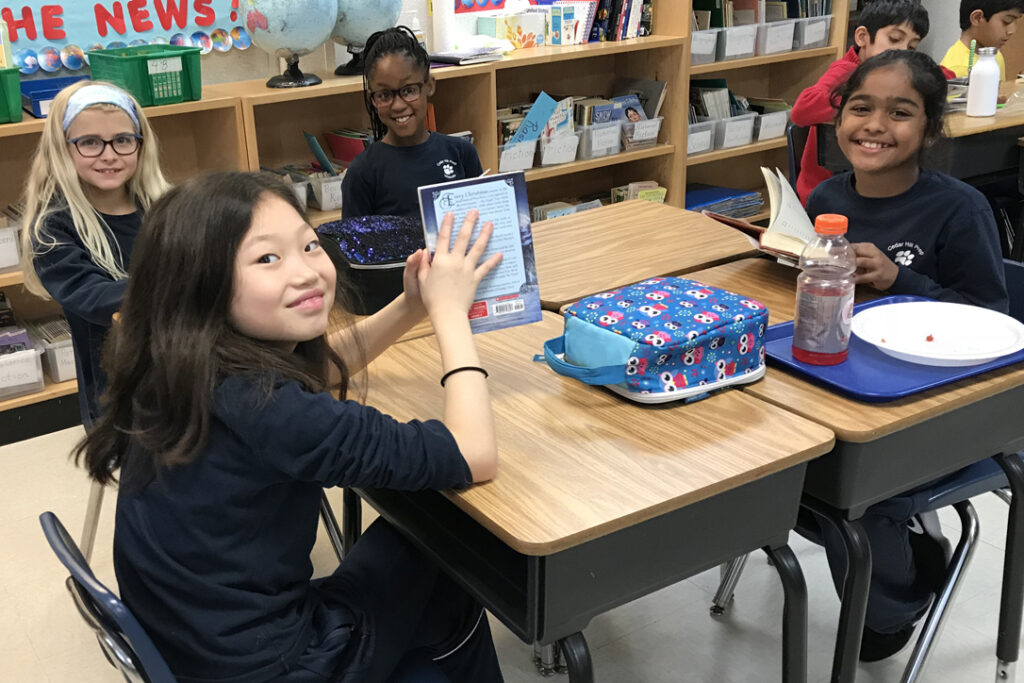
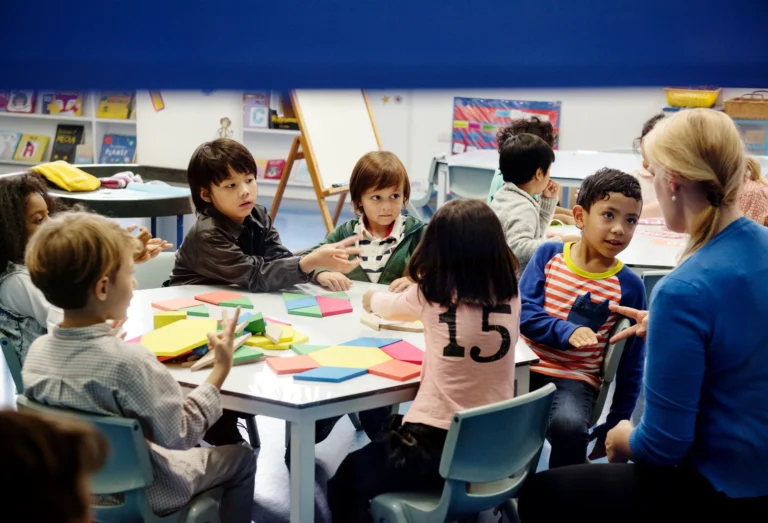
This is why learning at CHP extends beyond traditional lessons. Through inquiry-based learning, hands-on science, research, engineering, academic competitions and presentations, students have opportunities to put knowledge into action.
These experiences help develop skills that students will continue to need as they move through school and eventually into a world that increasingly rewards adaptability, independent thinking and problem-solving.
Families can support this kind of learning at home, too. Reading together, asking a child to explain how they reached an answer, encouraging them to stay with a challenging problem or simply asking, “What made you curious today?” can turn everyday moments into opportunities for deeper thinking.
And in a world where information—and increasingly, answers—are available almost instantly, the ability to ask meaningful questions, think critically and solve problems independently becomes even more important.
The latest PISA results are a reason to pay attention. They can also be an opportunity to think differently about what we want education to accomplish.

At Cedar Hill Prep, we return to a simple question:
What will your child be able to do because they attended our school?
Think critically. Research independently. Solve problems. Communicate confidently. Collaborate. Create. Ask better questions.

Because education isn’t only about what a child learns.
It’s about who they become as a learner.
Skills. Experiences. Outcomes.